Looking back over the year that was (for me) in books, I realized I spent less time with brand-new texts—or at least less time exulting over them—than in years past. The story of my year as a reader could only be told through experiences that cross a variety of timelines and stories.
So, rather, than a traditional best-of list, I offer you my favorite reading experiences of 2025, protracted moments I cannot and do not want to shake.
It’s Mary Oliver’s (and Molly Malone cook’s) World—We’re All Just Living In It
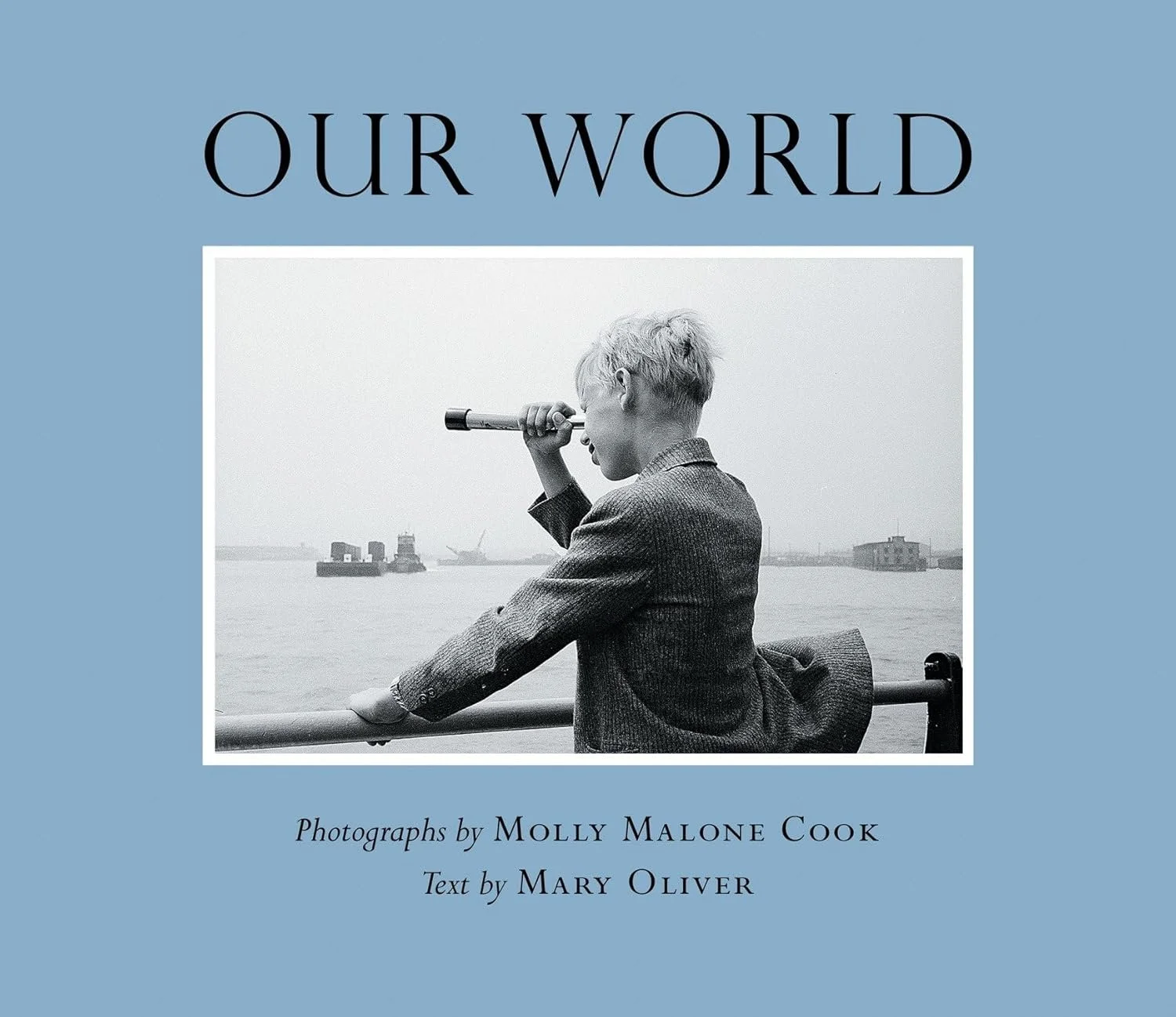
I own a reputation for idolizing Mary Oliver. While the late great isn’t my true favorite poet, her work has done more for my seeing than anyone else I can identify. Becoming part of an artist couple over the last year, I wanted to learn more about artist couples who served as muses, collaborators and critics to their partners at once, in as much balance as possible. And so I turned to “Our World,” a collection of photographs by Oliver’s near-lifelong partner, Molly Malone Cook, paired with the poet’s brief observations and interludes. Cook’s photography is sharp and soulful, and her great love punctuates the work with accentuating, complimentary words that never overwhelm the lesser-known artist. A masterclass in loving someone else and growing one another’s attention.
My year of reading Catherine Lacey
After losing myself in Catherine Lacey’s 2023 masterpiece “Biography of X,” I spent much of my year moving backward and forward with the author. The 2020 novel “Pew” and this year’s hybrid work “The Möbius Book” tilted my personal axis with discussions of creativity, community, religion and trauma. And the 2018 collection “Certain American States” crescendoed with each story. 2025 truly was a year that established Lacey as one of my favorite modern authors.
Understanding a friend on the page
I’ve had the good fortune of chatting (and, recently, sharing a meal) with author and Columbia, Missouri neighbor Bailey Gaylin Moore (Bailey’s husband, the writer Donald Quist, has become a dear friend). But this year, I spent the most time with Bailey on the page. Her debut work of creative nonfiction, “Thank You For Staying With Me,” casts a tender and fierce gaze on young motherhood, the Ozarks, religious trauma (the theme abides), writing and finding that love of her life. I feel so grateful that writers (and people) like Bailey Moore exist.
Words and Pictures
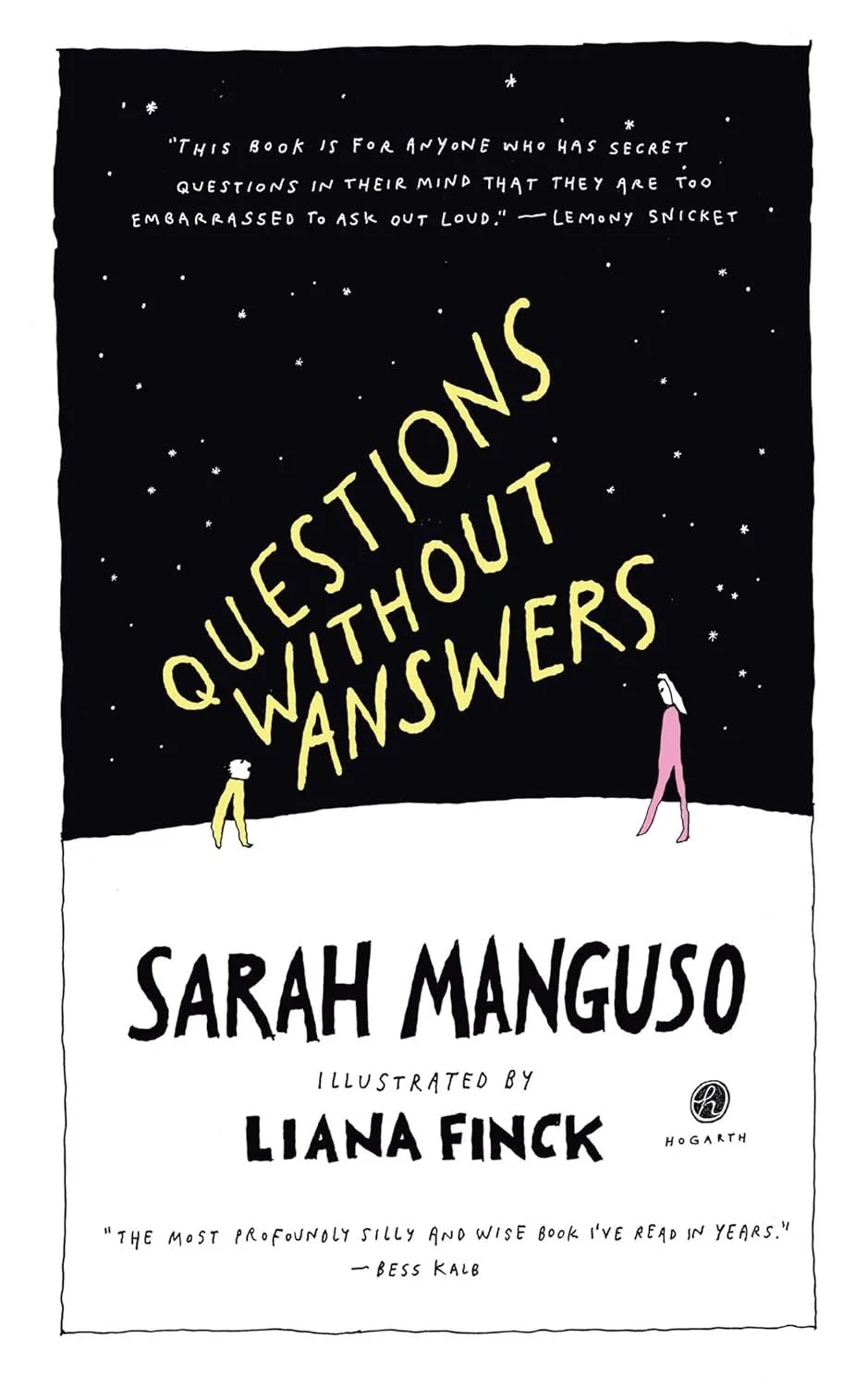
Two of my favorite reading experiences of the year inextricably linked words and images. Out this year, Sarah Manguso’s (words) and Liana Finck’s (illustrations) “Questions Without Answers” is a strange little work of existential delight. The author solicited a series of truly childlike questions that carry more than their fair share of weight, especially when paired with Finck’s gloriously odd drawings. Also from earlier in the year, a third volume of manga adaptations of Haruki Murakami stories (this time with art from Jean-Christophe Deveney) casts “Scheherezade + Sleep” in perfect relief; Deveney’s art fully enfleshes the great master’s meditations on loneliness, companionship, sleep and storytelling itself.
The beats go on
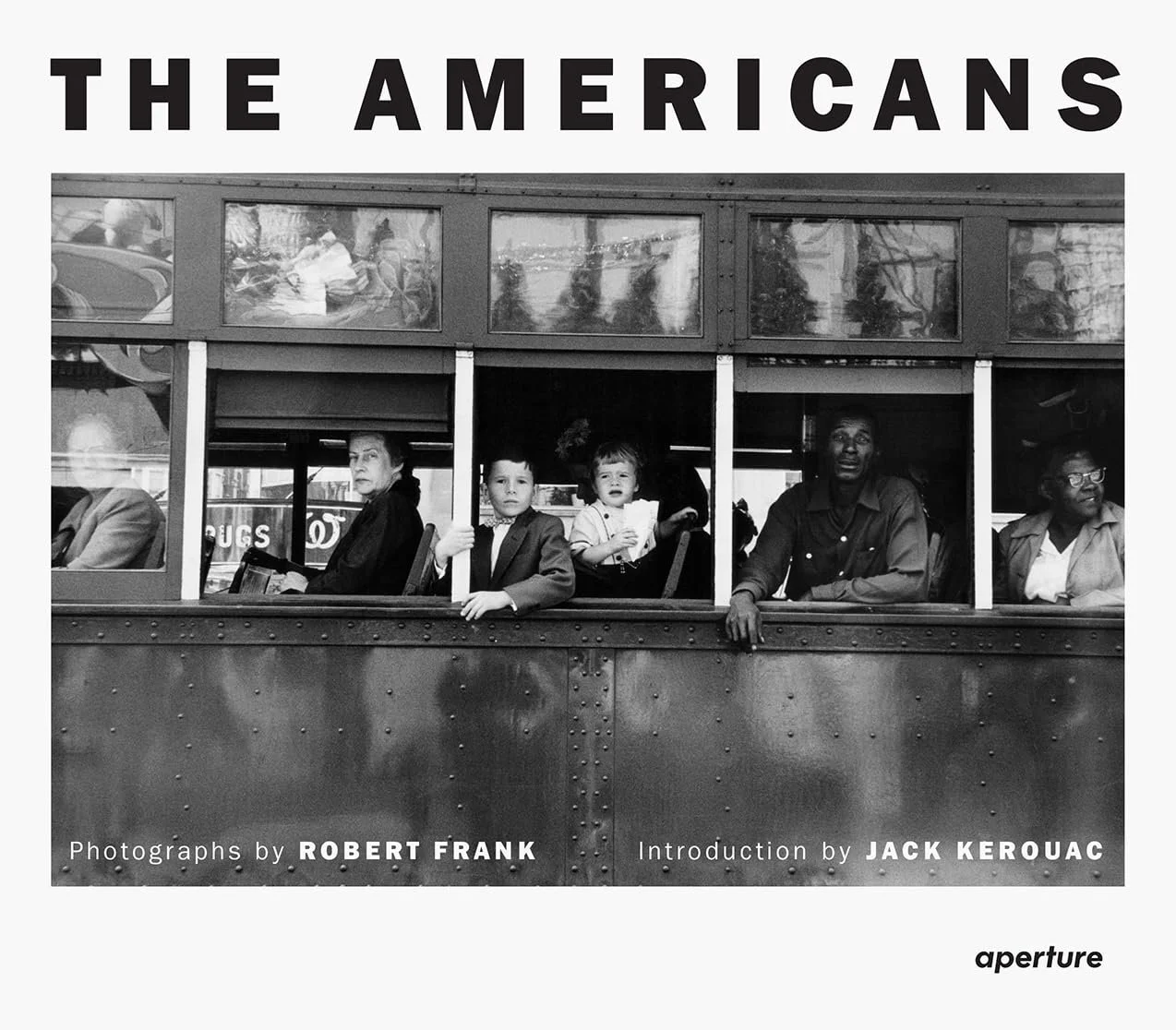
My background and general temperament don’t necessarily suggest a kinship with the Beat movement of the middle 20th century. And yet, their work propels me into my own contemporary lyric exaltations. Especially that of Jack Kerouac, who I believe should be read in one’s 40s, not their 20s. This year, I rounded out the consensus collection of Jack’s best road dispatches with wondrous works such as “Lonesome Traveler” and an equal, if not greater, collection of journal entries. Perhaps even more important, I finally indulged in photographer Robert Frank’s 1958 set “The Americans” (with introductory text from Kerouac), a sort of proto-“Joshua Tree” travelogue that takes in the nation with a Swiss artist’s eye. Frank already owned a couple of my favorite photographs, and the full volume brought great pleasure and depth to my eyes.
Shameless bit of self-indulgence: This year, the fine folks at Roi Fainéant Literary Press published an essay of mine in which I imagine visiting a diner for coffee, cigarettes and conversation with Kerouac and St. John of the Cross. You can read it here.
Out to Sea
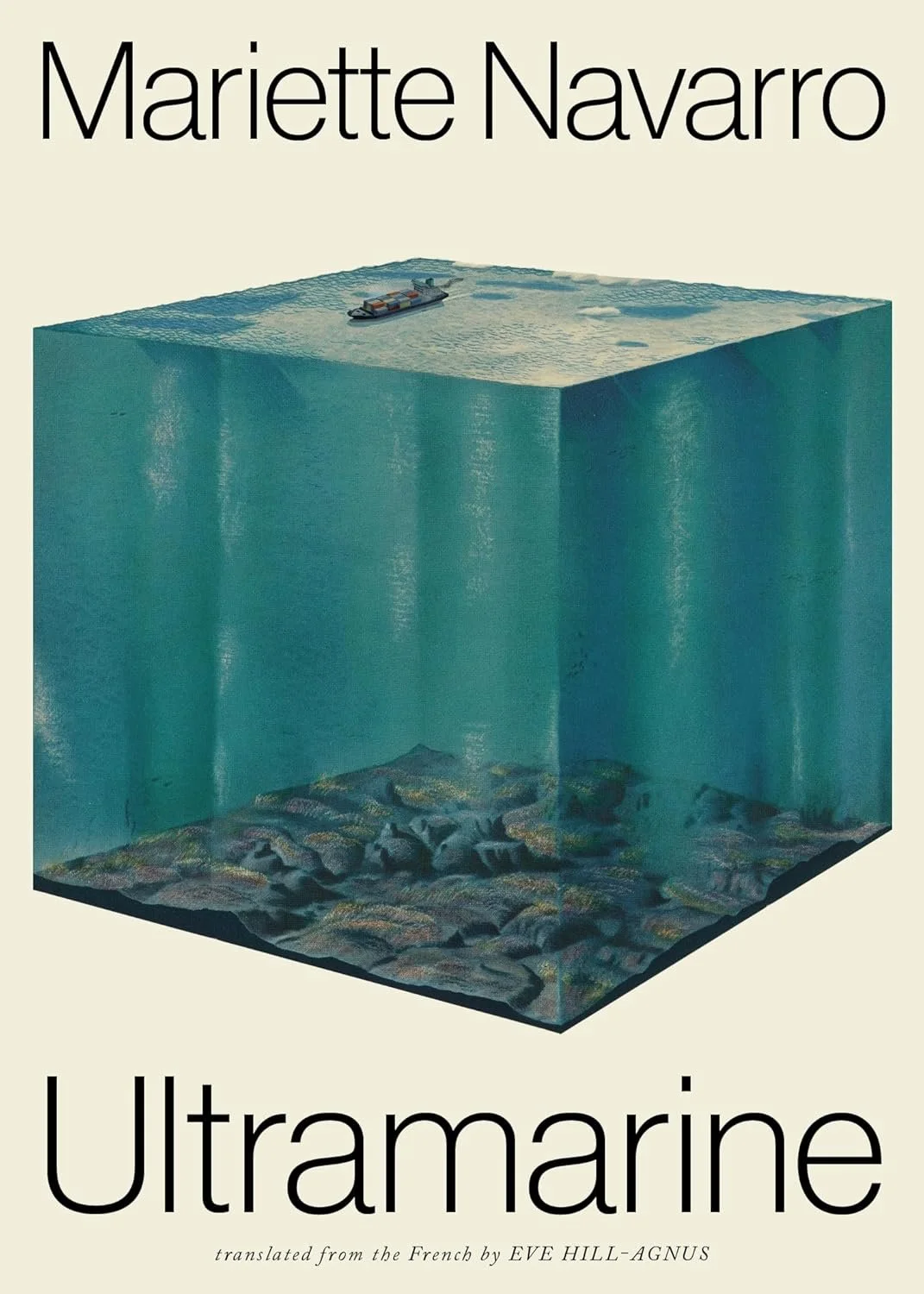
My favorite work of fiction released this year that wasn’t Lacey’s looping “Möbius” strip was a slight and gorgeous thing. French writer Mariette Navarro’s “Ultramarine” found its English translation in 2025; this is the story of a female sea captain who lets her guard down for a moment only to find her all-male crew growing in surprising fashion. “Ultramarine” is nearly perfect at the sentence level and, while it flirts with science fiction and suspense, is beautifully noncommittal about genre and convention.
Watch This ‘Space’
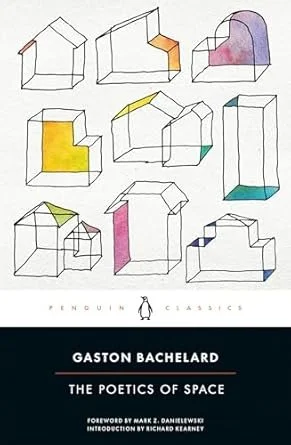
Here’s something I’ve neither kept secret nor tried to talk about too much: I have a collection of essays out on submission that I hope to publish sooner than later. Briefly describing the project to another writer, they identified a resemblance to the ideas within Gaston Bachelard’s 1958 “The Poetics of Space.” Having never touched the iconic text, I took it up and read, leaning into a “Where has this book been all my life?” sort of feeling. While not a perfect analog, I truly loved (and saw the kinship) between Bachelard’s theories of spirituality touching place and my own.
Laughing > Crying > laughing some more
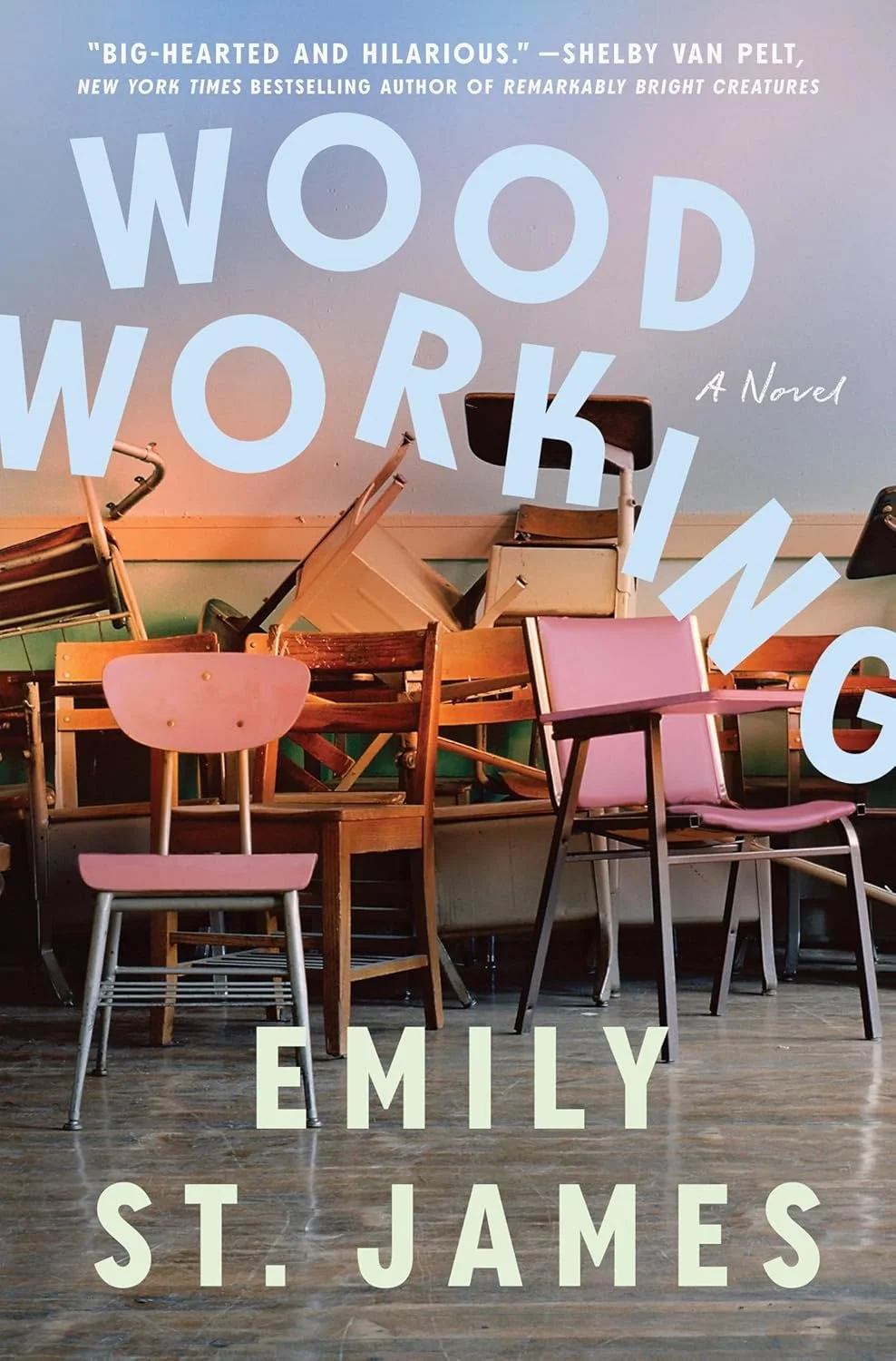
My choice for funniest novel of 2025 was Emily St. James’ breakthrough “Woodworking,” the tale of a high-school teacher and pupil who inadvertently bond over being the only trans people they know of in their very small town. St. James takes a scalpel to these characters’ interior lives and presents them with great gifts, showering them with affection, imbuing them with insight and offering them some of the great lines of dialogue you’ll soon read. This all adds up to a tale that keeps you laughing before you start crying, then laughing some more.
A ‘Dad Rock’ opera
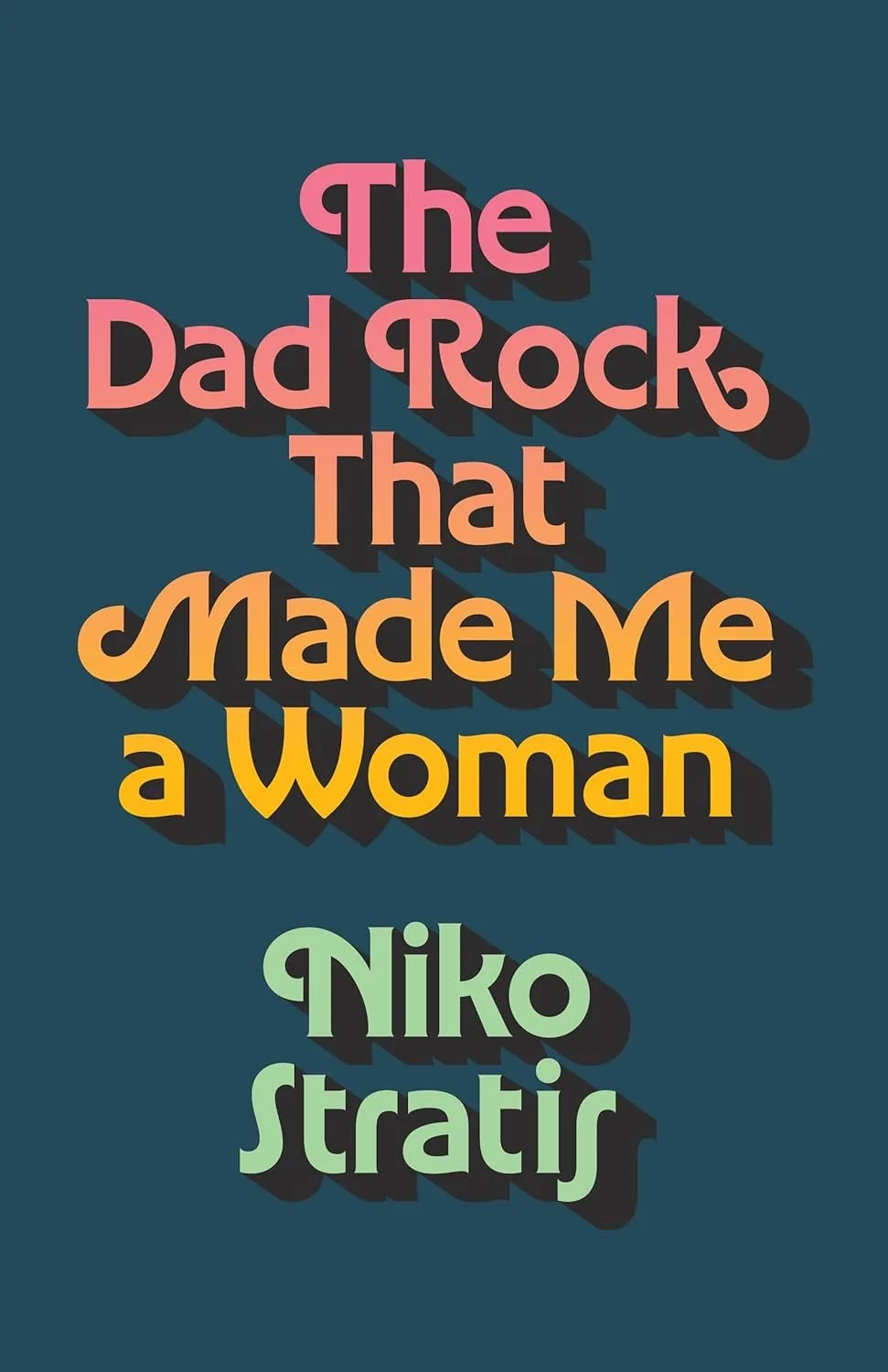
Another—quite different though similarly remarkable—book on trans identity came via Canadian writer Niko Stratis, whose “The Dad Rock That Made Me a Woman” is a perfect example of how music catalyzes memoir. Stratis shares the rough-hewn story of understanding herself through artists and songs often associated with, well, with guys my age. Come for first-class music writing, stay for the portrait of an artist evolving into herself as a woman.
Earning an MFA with love
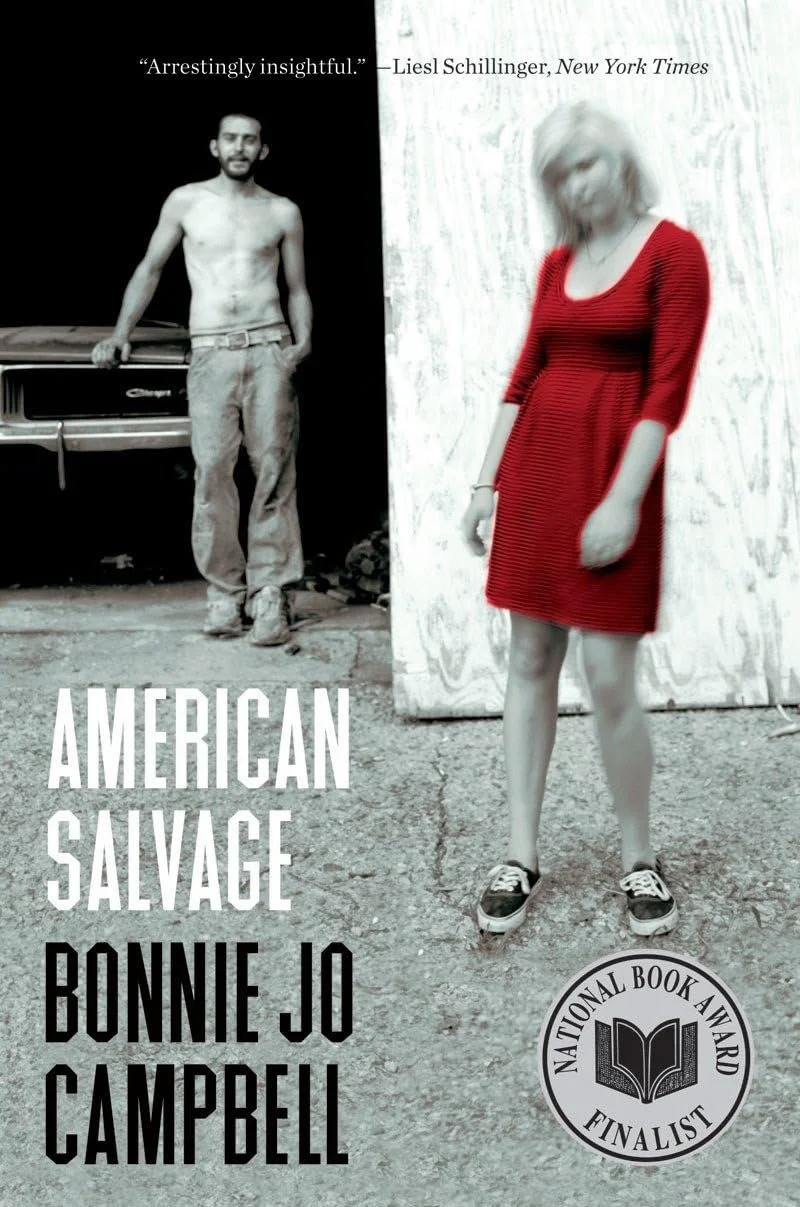
My girlfriend and I traded reading lists this year; she has an MFA and I don’t, but we believe these stabs at a new sort of curriculum will help us understand the other even better—through books we loved, books that shaped us, books that show up in our own writing. So far, I dig everything she’s sent, the standouts of which have been near-flawless story collections such as Bonnie Jo Campbell’s 2008 offering “American Salvage” and Mary Gaitskill’s groundbreaking “Bad Behavior,” first out in 1988.
Falling in love with your new favorite writer
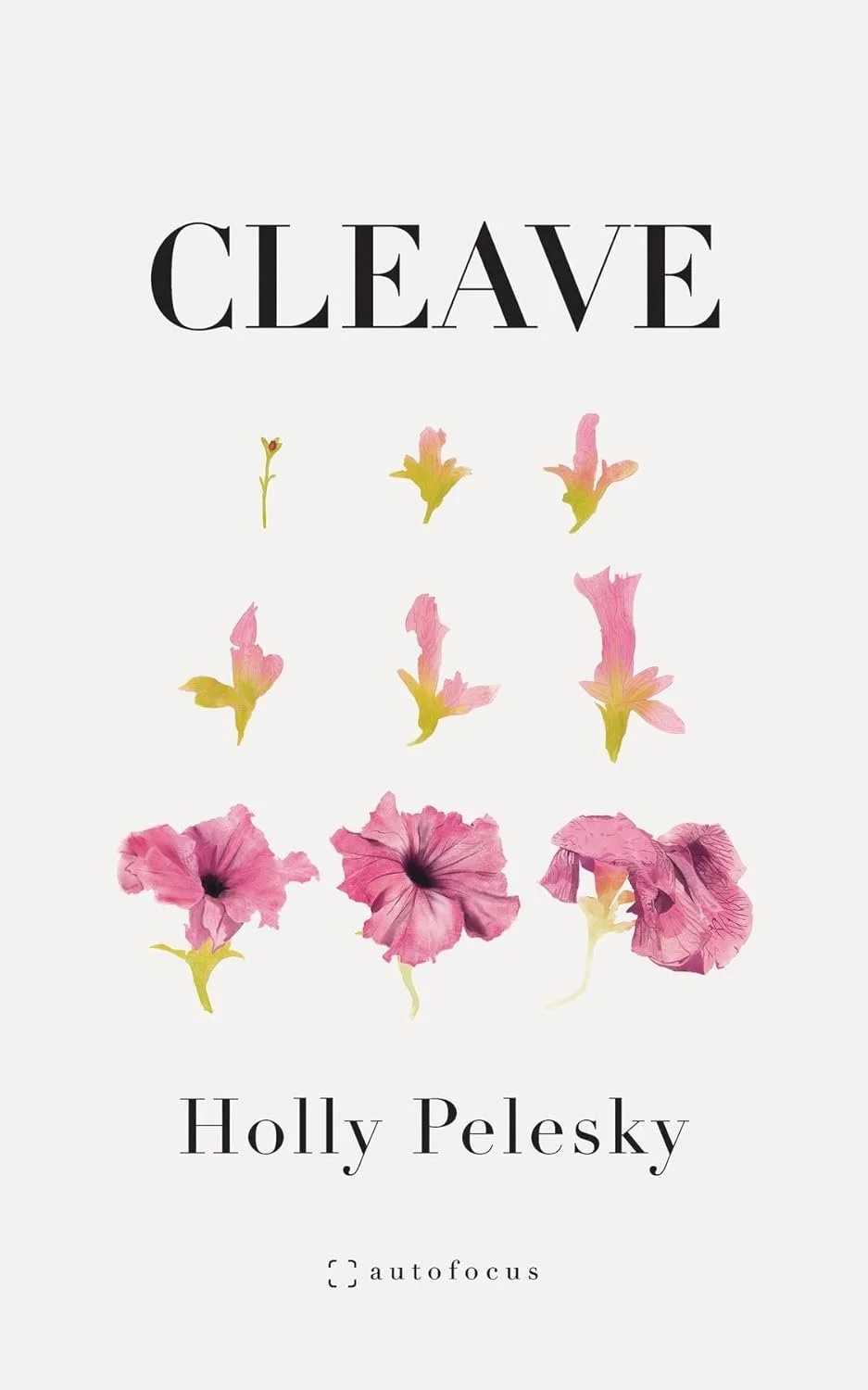
I don’t know how to start writing about this one, so forgive me if I just think on the page. Late last year, I set out on the strange, wild journey of falling in love with fellow writer Holly Pelesky. As the calendar turned, Holly sent me a copy of her 2022 memoir-in-essays, “Cleave.” It’s too easy to describe the book as a love letter to the daughter Holly yielded to adoption and just kept on loving. Or an ode to the way motherhood shifts shape over time. Or a story of how we find our way back to one another and, in so doing, love ourselves with a truer fullness. But “Cleave” is all these things—and more. I can’t rightly separate the reading experience with the experience of loving Holly. But I know that the best books make us feel more human, grow our capacity to care, quietly show us how to see what’s behind the surface of all the surfaces we come across. “Cleave” did this for me while offering me an education in someone I consider one of the great radiant talents of our time and my life.